Personalized Brain Health Services for Seniors
Custom-designed brain health support services for seniors are becoming more crucial in managing unique cognitive challenges. These services prioritize customized support strategies that incorporate individual histories and desires. By supporting involvement through specialized recreational options, they work to enhance overall lifestyle satisfaction. Grasping the subtleties of these programs can enable families to select appropriate options. What points should individuals examine when picking the suitable memory care service?
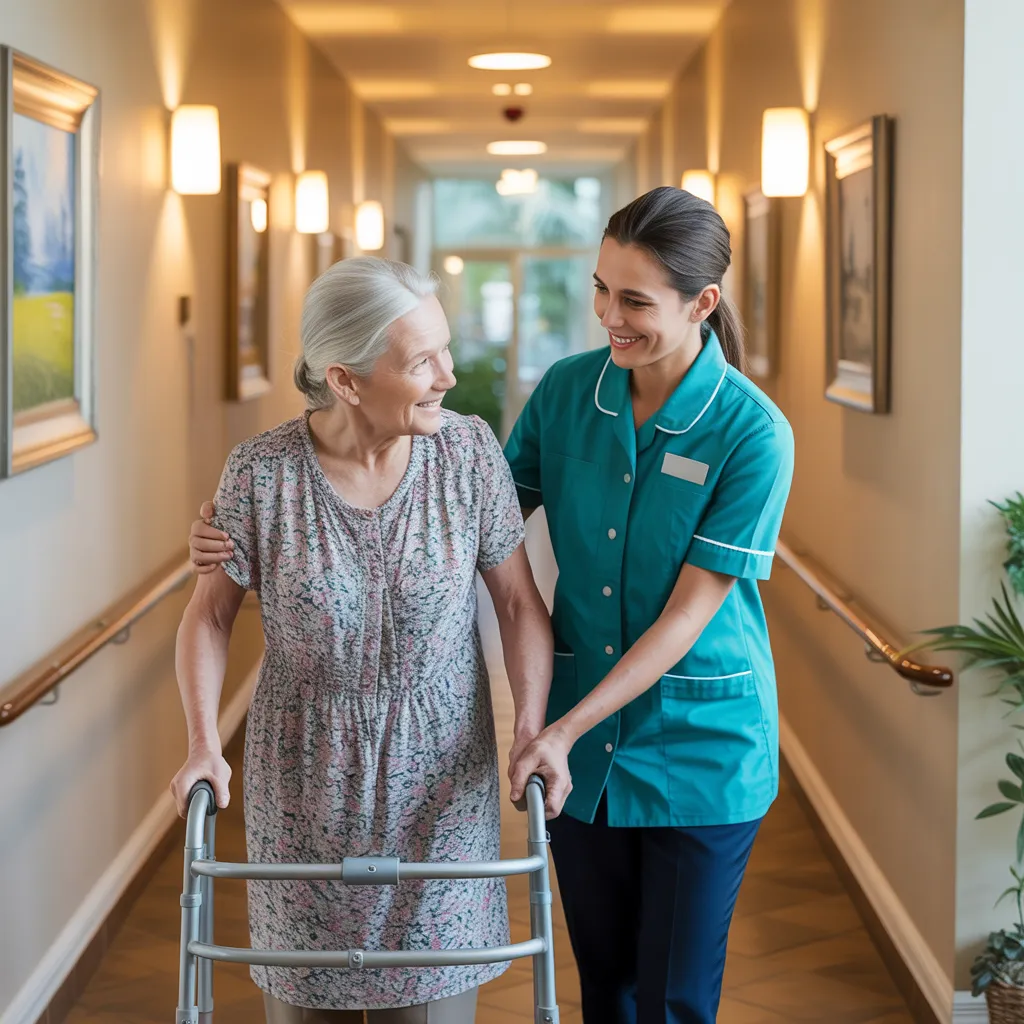
What You Need to Know About Tailored Memory Care Services
When evaluating memory care services, it is crucial to understand how customized approaches can significantly improve the quality of life for seniors facing cognitive challenges. Customized memory care services are designed to address the unique needs of each individual, recognizing that cognitive decline impacts people differently. These services often include personalized activities and routines that match a senior's preferences, abilities, and interests, thereby fostering engagement and a sense of purpose.
Additionally, staff trained in advanced dementia support methods can offer assistance that honors the dignity and autonomy of each resident. This personalized care helps in minimizing distress and worry, which are common in those with cognitive decline. Furthermore, loved ones' participation is promoted, ensuring a holistic approach find now to care. Ultimately, tailored memory care services aim to create an setting where seniors can thrive, promoting both psychological health and cognitive engagement.
Merits of Tailored Care Approaches for Cognitive Difficulties
Customized support plans serve an important function in handling the individual cognitive issues experienced by older adults. These customized strategies aim to address specific requirements, confirming that care complies with the distinct psychological and emotional demands of every senior. By emphasizing life experiences, choices, and strengths, such plans promote a sense of familiarity and comfort, which can minimize tension often associated with memory loss.
Moreover, tailored care plans enhance participation by incorporating programs that align with the seniors' preferences, promoting cognitive development and community interaction. This individualized method can produce enhanced cognitive function and a better standard of living. Additionally, support staff equipped with detailed insights of the senior's choices can provide more caring and helpful support, reducing frustration levels for both involved. Ultimately, personalized care approaches empower seniors, allowing them to navigate their cognitive challenges with honor and self-assurance.
Ideal Methods for Individualized Memory Care Programs
Implementing optimal strategies for customized memory care solutions demands a comprehensive grasp of each senior's unique needs and preferences. Care providers should emphasize detailed evaluations that explore mental capabilities, bodily wellness, and psychological health. This essential understanding enables the creation of personalized care plans that effectively address specific challenges.
Ongoing staff training is vital, guaranteeing care workers are equipped with the most recent techniques in cognitive care. Working together with family members creates a supportive environment, permitting caregivers to weave in individual memories and choices into day-to-day activities. Using modern solutions, including tracking systems and communication tools, can boost protection and involvement.
In addition, flexibility in care plans is crucial; adjustments should be made as seniors' conditions change. Consistent evaluation of care performance through feedback and observation guarantees continuous improvement. By adhering to these proven methods, memory care programs can deliver a nurturing and attentive environment that fosters respect and well-being for seniors.
Activities That Enhance Well-being in Memory Care
Customized memory care initiatives not only concentrate on personalized treatment strategies but also emphasize the importance of engaging activities that enhance the standard of living for seniors. These programs are designed to activate mental abilities while promoting interpersonal engagement and mental health. Art therapy, musical activities, and gardening can provide creative outlets, enabling residents to express themselves and connect with their surroundings.
Structured reminiscence therapy prompts seniors to discuss their past, building a sense of self-worth and meaning. Physical pursuits, such as gentle movement or dancing, help preserve mobility and boost mood. Additionally, sensory activities—like cooking or pet therapy—can evoke positive emotions and strengthen sensory perception.
Choosing the Right Memory Care Service for Your Family
How can families guarantee they select the most appropriate memory care service for their family members? The choice starts with comprehensive investigation. Families should assess the particular requirements of their family members, considering factors such as the nature and level of memory impairment. Visiting potential centers allows relatives to examine the setting, staff engagement, and accessible amenities.
Accreditation and caregiver credentials are essential indicators of excellence. Families should inquire about caregiver-to-patient ratios and the training given to caregivers. Additionally, it is important to evaluate the range of activities and therapies offered, as these can significantly affect residents' quality of life.
In conclusion, families should seek out reviews and testimonials from other families to collect firsthand experiences. By balancing individual requirements with expert guidance, families can take educated decisions that ensure their family members get the personalized and caring support they warrant.
Popular Inquiries Asked Often
How Do I Assess My Family Member's Particular Memory Care Requirements?
To identify particular cognitive support needs, one should track behavioral shifts, communication abilities, daily activity performance, and emotional health. Consulting healthcare professionals for evaluations and obtaining feedback from caregivers can enhance clarity on those requirements.
What Qualifications Should Caregivers Possess in Memory Care Centers?
Staff members in care facilities need to acquire proper certifications, dementia care training, effective communication abilities, empathy, and expertise. Also, they must display patience and versatility to appropriately support the special needs of residents.
Is Bespoke Memory Care Services Included under Insurance Plans?
Coverage for tailored memory care services fluctuates substantially among insurance companies. Many plans may partially cover fees, but it's essential for persons to verify specifics with their insurance company to grasp their benefits and constraints.
How Frequently Are Treatment Plans Get Assessed and Updated?
Care plans undergo regular review and updates, often quarterly or biannually. This ensures that the evolving requirements of individuals are effectively met, enabling adjustments in treatment methods and support approaches as required.
What Details Do I Notice Throughout a Site Tour?
During a facility tour, one ought to assess cleanliness, staff interactions, resident engagement, safety measures, available amenities, and overall atmosphere. Additionally, evaluating the facility's approach to tailored care and community connection is vital for informed decision-making.