Senior Living: Adopting a Vibrant Way of Life
Elderly care nowadays indicates a transition towards a more energetic way of life. It merges comfort with chances for social engagement and individual growth. Strategically planned locations facilitate independence while fostering community connections. Wellness initiatives constitute an essential function, along with motivating programs that encourage friendships. What elements truly impact this gratifying experience? Delving into these considerations uncovers how contemporary elderly care can greatly lift the living standards for older adults.
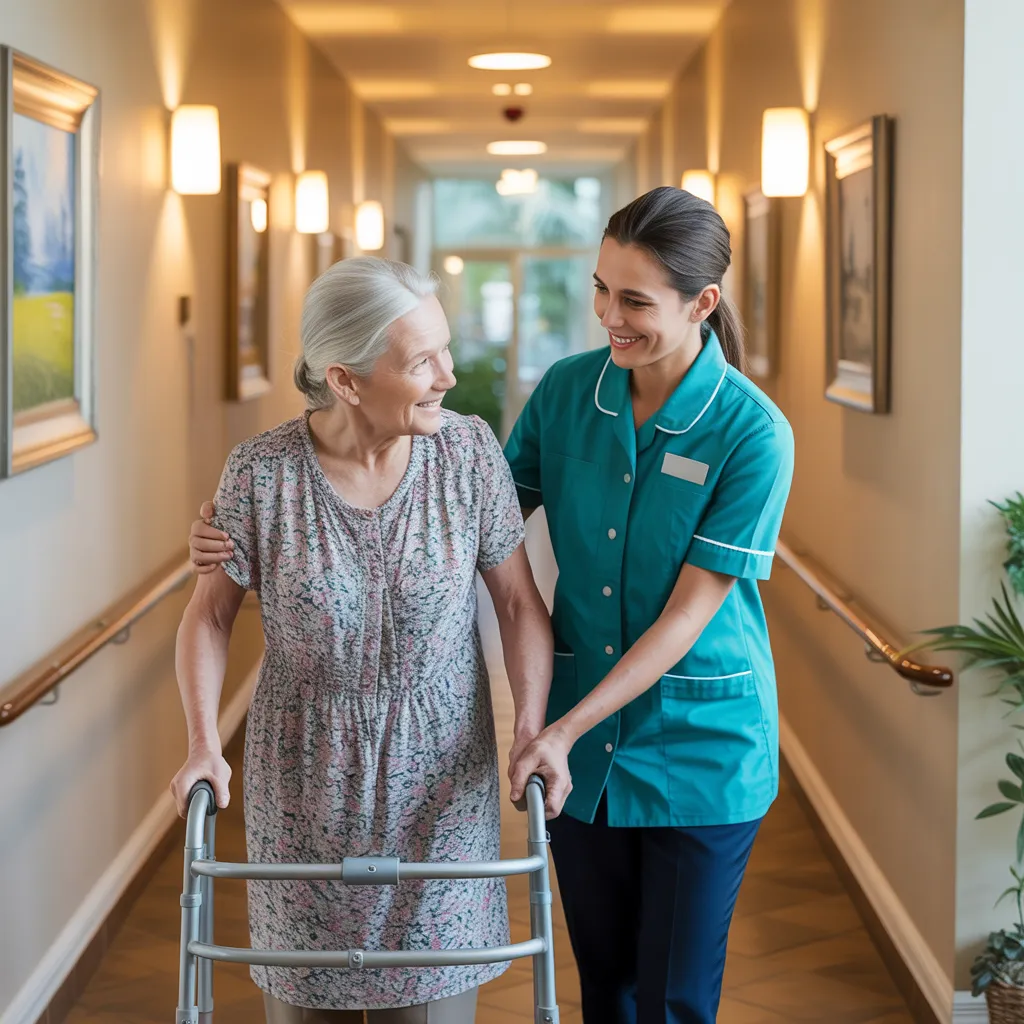
What Current Elderly Communities Resembles
Senior living today has advanced noticeably, expressing a union of comfort and community. Current facilities stress aesthetics and functionality, featuring well-designed apartments that address the needs of older adults. Open floor plans, natural light, and accessible features elevate the living experience, nurturing a sense of independence.
Community spaces are crucial, with common spaces designated for socialization, dining, and wellness offerings. Many senior living settings offer gardens, walking paths, and recreational facilities, supporting residents to interact with nature and remain active and engaged.
Furthermore, technology integration has turned prominent, supplying residents with equipment for communication, entertainment, and safety. Advanced home technology and emergency response systems enhance security while advancing autonomy.
Well-being and Health in Senior Living
Health and wellness are frequently prioritized in senior living environments, reflecting a comprehensive approach to aging. These communities often integrate various health services, including routine medical check-ups, nutritional counseling, and fitness programs designed to the needs of older adults. By fostering a supportive atmosphere, residents are motivated to take charge of their health through preventive measures and lifestyle adjustments.
Mental wellness is equally emphasized, with resources such as counseling and cognitive activities designed to sustain mental activity. Plenty of care centers also support social well-being by delivering wellness workshops, meditative practices, and access to nature, all of which contribute to a sustainable lifestyle. Additionally, the dedication on custom-made care solutions guarantees that every client attains attention that aligns their individual health goals. All told, these initiatives aim to enhance the quality of life, empowering seniors to thrive in their later years.
Activities That Form Connections
By building a community bond, activities that foster connections in senior living environments function as an vital component in enhancing residents' social engagement. Participating in group-based activities such as art classes, gardening clubs, and game nights promotes interaction and companionship among residents. These common experiences reduce social barriers and establish a nurturing environment.
Also, organized activities, such as visits to local theaters or nature parks, provide opportunities for residents to bond over mutual interests and experiences outside the facility. Regular social events, such as potluck dinners and holiday celebrations, strengthen relationships through active communal participation.
Furthermore, volunteer opportunities throughout the community can inspire a sense of purpose while bringing together residents with one another and the broader community. Overall, these activities not only elevate residents' lives but also contribute to a vibrant and interconnected living environment.
Lifelong Education for Seniors
Older adults gain considerable benefits from engaging with new ideas and perspectives, which can improve their quality of life. Workshops and lectures often host guest speakers, creating a dynamic atmosphere where residents can ask questions and share insights. Additionally, online courses provide flexibility, allowing seniors to learn at their own pace.
Community's Role in Raising Senior Happiness
As individuals get older, belonging to a community can greatly enhance their overall happiness. Interacting with different people develops significant bonds, which are crucial for emotional well-being. Communities create possibilities for social interaction, minimizing emotions of disconnection and loneliness that typically follow aging. Regular participation in group activities—such as workshops, trips, or communal meals—encourages elderly individuals to forge friendships, exchange perspectives, and support one another.
Additionally, a thriving locale often generates a sense of purpose. When seniors contribute their proficiency and learning, they perceive themselves as cherished and involved, thereby lifting their sense of worth. Access to resources, such as medical facilities and entertainment venues, within a community can also fortify their living standards.
Ultimately, a robust social connection not only enhances happiness but can also result useful information in healthier, more fulfilling lives for seniors, enabling them to embrace their golden years with vitality and delight.
Commonly Requested Questions
How Much Do Senior Living Facilities Expense?
Expenses connected with senior living facilities may consist of monthly rent, utility fees, care services, meal plans, and additional amenities. Financial considerations fluctuate considerably based on location, facility type, and level of care required.
How Can I Pick the Perfect Senior Living Community?
Picking the right senior living community entails evaluating personal needs, visiting potential facilities, assessing services offered, considering location, and reviewing costs. Engaging with current residents can provide valuable insights into the community's atmosphere and quality of life.
Which Styles of Dwelling Units Are Available in Senior Living?
Multiple residential options within senior living span independent apartments, assisted living units, memory care suites, and skilled nursing facilities. All options support distinct needs, enabling residents to choose an ideal environment matching their lifestyle and health requirements.
Are Pets Accepted in Senior Living Communities?
Senior living communities frequently allow pets, valuing their constructive influence on resident happiness and wellness. Policies vary, however, with some places instituting size or breed restrictions and requiring pet-related fees to secure a serene setting.
How Can Relatives Keep Participating in a Older Adult's Life?
Family members can remain engaged in a senior's life by scheduling regular visits, engaging in shared activities, communicating frequently through calls or messages, and helping with technology to share experiences and maintain connections successfully.